Inspect ammunition before every shoot
Checking ammunition involves more than judging whether it looks new. The inspection must confirm that each round is intact, correctly identified and suitable for a particular firearm before pressure, feed problems or damage can occur. That matters in Australia, where a shooter might move from a .22 club target event to a 12-gauge clay layout or a .308 hunting trip without carrying every matching round. A clean-looking cartridge can still have the wrong headstamp, while one made for another gun can be dangerous even when undamaged.
A pre-shoot inspection takes only a few minutes for a small quantity and becomes quicker when ammunition stays in its original, labelled boxes. Work on a clean, dry surface, handle one cartridge at a time and keep food, liquids and children away from the bench. Unknown, mixed or previously damaged ammunition should be set aside rather than sorted into the “shoot today” pile. If compatibility or condition cannot be confirmed, the safe decision is to withhold firing it and to seek guidance from the ammunition maker, a qualified gunsmith or the relevant range officer.
What to inspect on each cartridge
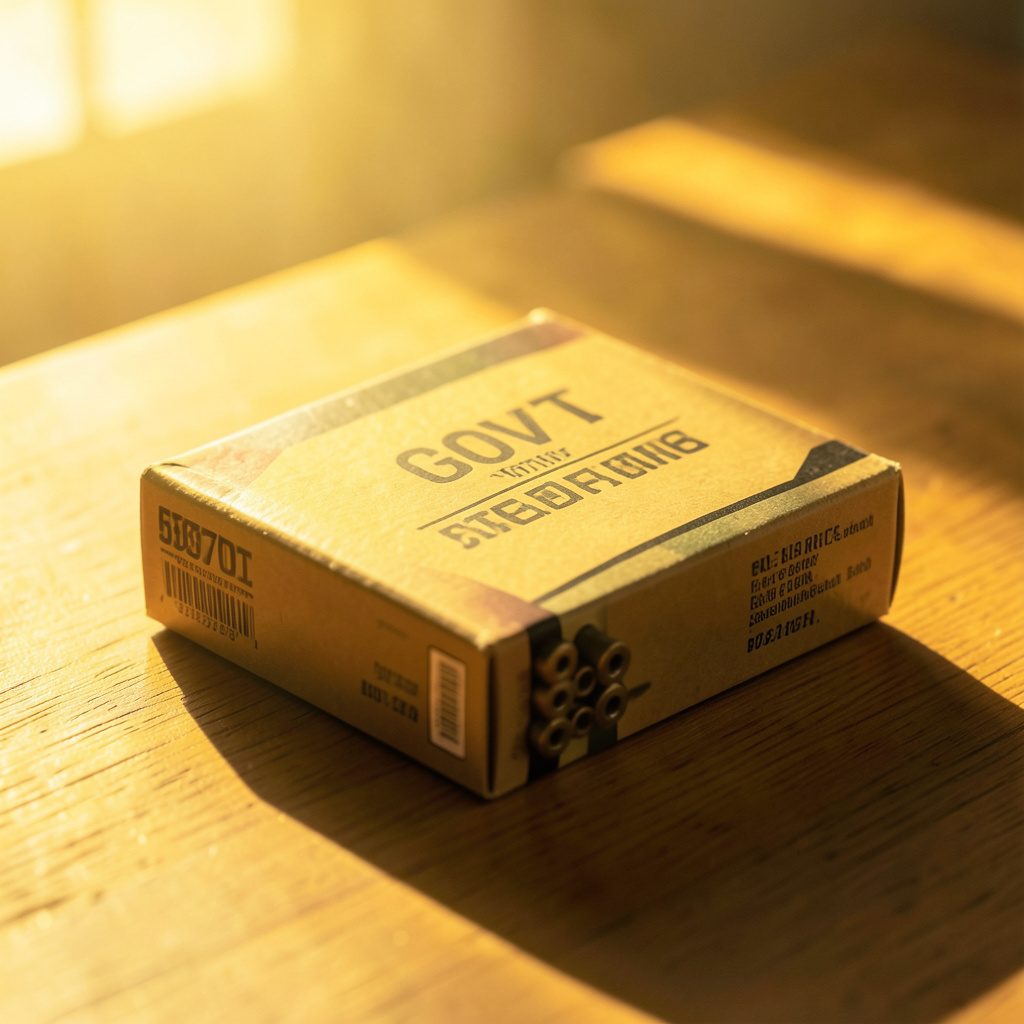
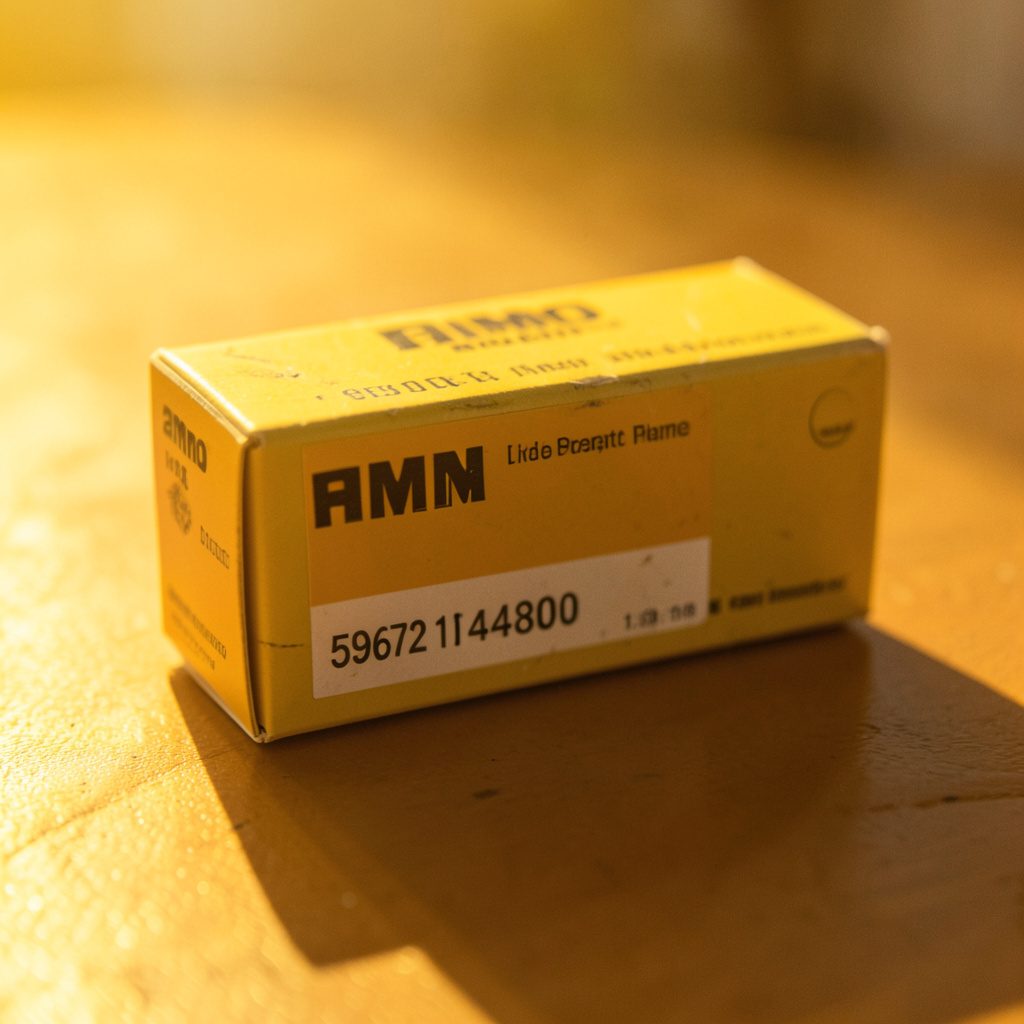
Begin by checking box condition and records before opening it. Water damage can be obvious in warped cardboard, staining or a weakened seal, but temperature damage may be hidden. Confirm that all rounds came from one known source and note the calibre, cartridge name and lot code if available. A date stamp is a production clue, not proof that the ammunition is compatible, current or safe. Separate unfamiliar brands, handloads and factory rounds rather than combining partial boxes.
Inspect cases, bases, rims, primers and projectiles under good light without probing or altering them. Reject rounds showing deep dents near the case mouth, splits, raised corrosion or pitting, loose or damaged primers, sharp edge deformation, loose projectiles or a badly deformed shotgun shell crimp. On rimfire ammunition, check the rim and exposed priming compound for damage, but do not scrape it. Surface lacquer changes may be cosmetic, yet corrosion beneath a damaged finish should be treated seriously.
Never scrape a centre-fire primer, sand a case, punch it back into place or try to reseat a bullet. When an unfamiliar brand turns up in an online marketplace or second-hand sale, first record its exact headstamp and contact its manufacturer. A specialist retailer such as Old Town Smoke Shoppe may be another point of contact, but neither packaging colour nor another seller’s guess can confirm compatibility. Place unresolved ammunition in a separate secure container until an authoritative answer is obtained.
The firearm-side check
Ammunition inspection and firearm inspection belong together. Treat every gun as loaded, keep the muzzle in a safe direction and keep cartridges away from the bench until the firearm is unloaded according to its manual. With it confirmed empty, a suitable bore tool or inspection flag and a flashlight can reveal an obstruction, rust pitting or damage in the bore and chamber. Check the extractor, ejector, bolt or slide, magazine and feed path for corrosion and damage. Use only the cleaning and lubrication method specified for that model, especially where rimfire reliability or non-gassing oil requirements differ.
Remove every flag, tool and loose maintenance item before introducing ammunition. Do not try to chamber a questionable cartridge merely to “test” it. A round that binds, remains stuck, extracts unpredictably or causes a cycle failure provides information, but repeating the attempt increases risk. If a firearm was dropped, recently repaired or has an unfamiliar reliability problem, have a qualified gunsmith inspect it before more shooting. After any jam, unload in accordance with the manual and treat the chamber, magazine and action as potentially containing a live round until positively checked.
Storage habits for Australian conditions
Firearms and ammunition rules in Australia are administered by states and territories, so shooters in NSW, Victoria, Queensland and Western Australia should check their licensing, storage and transport requirements rather than rely on a national rule of thumb. Keep firearms secured as required and transport them only in approved locked containers; cartridges must also meet local quantity, purchase and licensing conditions. Online purchases and interstate deliveries may attract additional checks, so a U.S. retailer’s checkout process is not a substitute for local advice from a police firearms registry or licensed gun shop.
Climate makes storage part of inspection. Coastal humidity can reach cartridge cases and storage cabinets around Sydney, Melbourne, Brisbane and Perth, while hot interiors and parked vehicles can produce damaging heat in regional Australia. Keep factory ammunition in sound original boxes, or suitable labelled containers, in a cool, dry and stable location away from direct sun, leaking roofs, chemical spills and fluctuating moisture. Follow the maker’s temperature guidance, monitor desiccants if used, and rotate older stock to the front without discarding it merely because of age.
Storage discipline also supports safe ownership. Dowagiac Arms presents a personal-service and responsible-ownership approach on its main website, but its Michigan setting means Australian law and climate guidance must take precedence here. Store ammunition so children cannot access it, and keep loose rounds in a secure cartridge bag while travelling to a range or hunt. Separate loads by calibre and keep handloaded ammunition clearly identified.
Matching cartridges to the intended firearm
Compatibility begins with the exact cartridge designation in the firearm manual and the markings on the receiver, barrel or breech. Confirm the full calibre and load standard, not just the bullet diameter, and do not infer interchangeability from similar names or appearance. A .22 Long Rifle cartridge must never be treated as interchangeable with .22 Short merely because both use a small rimfire case. Likewise, shotgun gauge and shell length must match the chamber and firearm instructions.
A broad American product listing can illustrate why model-level details matter. Dowagiac Arms’ firearms catalogue includes rifles, shotguns and handguns for a U.S. market, yet none of those category descriptions can establish which cartridge belongs in a particular Australian firearm. At a Melbourne, Adelaide or Brisbane gun shop, ask staff to match the model marking and take advice from the maker when the headstamp or load data is unfamiliar. At club ranges, also observe restrictions on calibre and ammunition type.
Treat unverified handloads as a separate category. Record who loaded them and retain reliable load data, because visual similarity to a factory round says nothing about the powder charge or pressure standard. If provenance, components or intended chambering are unknown, do not fire them or ask a qualified reloader or gunsmith to assess them. This separation is particularly useful at mixed-discipline club meets, where loose rimfire and centre-fire cartridges can otherwise be confused.
A practical pre-shoot routine
Use a repeatable sequence: identify the ammunition, inspect it, verify the firearm, then introduce only rounds you trust. The routine matters most for older stock, mixed boxes, reloaded ammunition and anything exposed to water, extreme heat or a damaged package. The firearm manual and ammunition maker remain the primary references for compatibility, storage life and approved cleaning methods.
Several useful guidelines apply to this sequence. First, individuals must match before opening. Read the firearm manual, confirm the complete cartridge designation and load standard, and separate anything with an unfamiliar headstamp or unclear provenance.
Second, shooters should inspect every round intended for use. Check the case mouth, casing, primer, rim, projectile and crimp where applicable, and avoid using a random cartridge as a sample for the entire box.
Third, users must review the storage history. Separate ammunition affected by water, extreme heat, a damaged package or prolonged humidity, and ask the manufacturer about its condition before using it.
Fourth, individuals need to verify the unloaded firearm. Inspect the bore, chamber, action, extractor and feed path, and follow the manufacturer’s cleaning, lubrication and unloading instructions.
Finally, shooters must stop at the first warning. Do not repeatedly chamber a questionable round or attempt to repair damaged ammunition. Keep it isolated and contact the ammunition maker, a qualified gunsmith or the range officer.
A successful visual check is not a guarantee against every manufacturing defect or intermittent mechanical problem. It is still valuable because it catches mismatched ammunition, obvious damage and contamination risks before they reach the firearm. Keep the inspection simple enough to repeat at home and at the range, and record unusual ammunition in your range notes so a gunsmith or manufacturer can receive an accurate headstamp, lot code and description.
Make this the routine before your next club shoot, clay day or regional hunt: put the boxes on a clean bench, confirm their storage history, check the firearm unloaded, and resolve every mismatch before packing. When buying in Australia, take the firearm model and its markings to a licensed gun shop rather than relying on visual comparison or an overseas listing. Leave doubtful cartridges out of the shoot, and make the five-minute inspection the last safety barrier before the trigger is touched.