How to Properly Store Your Firearms at Home
Safe firearm storage is a core part of responsible ownership. A firearm should never be treated as an ordinary household object that can be left in a drawer, wardrobe, vehicle or bedside table. Secure storage helps prevent unauthorised access, theft, accidental handling and misuse while giving the owner a clear routine for checking equipment and maintaining control.
For Australian firearm owners, storage also has a legal dimension. Requirements differ between New South Wales, Victoria, Queensland, Western Australia, South Australia, Tasmania, the Australian Capital Territory and the Northern Territory. Your licence category, firearm type and local regulations can affect the required safe, fixing method, ammunition storage and inspection arrangements.
A practical system combines a compliant firearm safe, sensible access controls, regular maintenance and household awareness. Whether you live in an apartment in Melbourne, a suburban home in Sydney or a rural property outside Brisbane, the goal is the same: firearms must remain unloaded, secured and inaccessible to anyone who is not authorised to handle them.
Start With Australian Storage Requirements
The first step is to check the rules that apply in your state or territory. Australian firearms legislation is administered locally, so storage expectations in Victoria may not match those in New South Wales or Queensland. Confirm the current requirements with your firearms registry, police firearms branch or a licensed local dealer before purchasing a safe or changing your storage arrangement.
Many jurisdictions require firearms to be stored unloaded in a locked receptacle made from an appropriate material, commonly steel, with the receptacle secured to the premises. The safe may need to be fixed to a wall, floor or other permanent structure so it cannot simply be carried away. Some states also require ammunition to be locked separately from firearms, while others set specific conditions for how ammunition must be stored.
A compliant safe is not automatically suitable for every collection. A compact handgun safe may be inadequate for a scoped rifle, shotgun or multiple firearms. Check internal dimensions, locking design, anchoring options and the applicable state standard. If you move from Adelaide to Canberra, relocate to regional Queensland or change the types of firearms you own, review the arrangement again rather than assuming the old setup remains appropriate.
Select And Install The Right Safe
Choose a purpose-built firearm safe that matches your licence conditions and the equipment you own. A safe should provide enough room for firearms to be stored without forcing them against each other, damaging optics or making it difficult to remove one item without disturbing the rest. Crowded storage can lead to poor handling and makes routine inspections harder.
The locking mechanism deserves careful consideration. Key locks can be reliable when keys are controlled properly, while combination and electronic locks may offer convenient access without a loose key. Electronic models require attention to battery condition and emergency override arrangements. Whichever system you select, access credentials, keys and override tools must be kept away from children, visitors and anyone who is not authorised.
A retailer can help match a safe to a particular firearm, accessory collection and local requirement. Product information for firearms selection can also help owners understand the different categories of equipment they may need to secure, although Australian buyers must confirm import, licensing and compatibility rules through authorised local channels. A US-based product listing should never be treated as proof that an item may legally be imported or possessed in Australia.
Installation is as important as the safe itself. Follow the manufacturer’s instructions and use appropriate fixings for the wall, floor or structural surface. Avoid placing a safe where moisture, flooding or extreme heat could damage its contents. A concealed position can reduce visibility, but concealment should complement a strong, fixed safe rather than replace it.
Keep Firearms Unloaded And Organised
Before placing a firearm into storage, confirm that it is unloaded. Remove the magazine where applicable, open the action and visually and physically check the chamber in a safe direction. This check should be performed whenever a firearm returns to storage, even if you believe it was unloaded after its previous use.
Store firearms in a condition that reduces unnecessary contact and prevents damage. Long guns can be positioned in suitable racks or supports inside the safe, while handguns may be placed in padded compartments or individual sleeves. Avoid leaning firearms directly against one another, allowing metal surfaces to rub, or storing accessories in a way that obstructs the action or trigger area.
A simple inventory can make responsible ownership easier. Record each firearm’s make, model, serial number and licence details in a secure private record. Keep purchase documents, permits and maintenance notes separate from the firearms themselves. Do not place a visible inventory, safe key or access code in an obvious drawer, desk or vehicle.
Routine Checks For A Secure Setup
Use a short checklist whenever firearms are returned to storage:
- Confirm the firearm is unloaded and the action is open where practical
- Check that the safe is locked and firmly attached to the premises
- Keep keys, codes and override devices under controlled access
- Inspect the safe interior for moisture, damage or overcrowding
A separate ammunition routine helps prevent confusion and supports compliance with local rules:
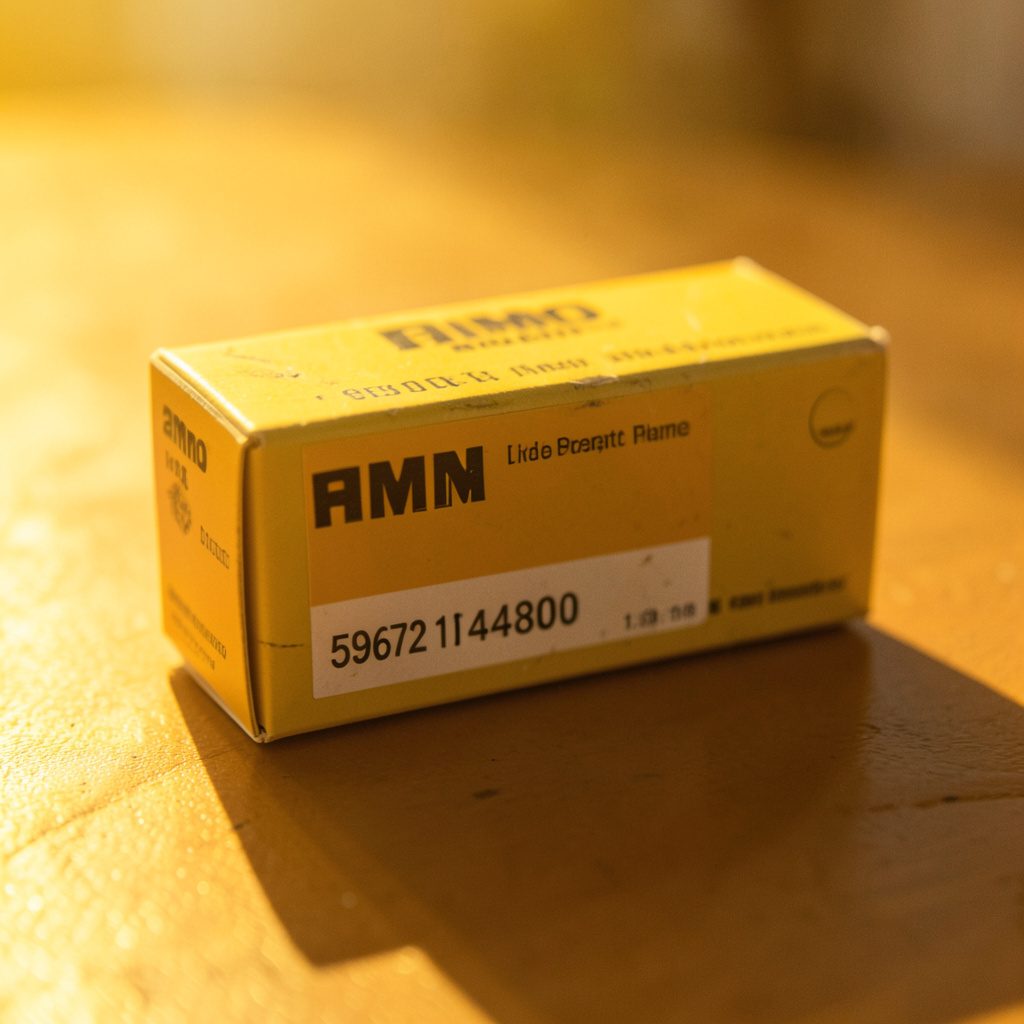
- Store ammunition in its original packaging or a suitable labelled container
- Keep ammunition dry, cool and away from heat sources or chemicals
- Lock ammunition separately when required by state or territory law
- Check cartridges for corrosion, dents or other visible damage before use
Storage is also an opportunity to manage magazines, bolts and other removable components. Follow the applicable laws and the manufacturer’s guidance when deciding whether components should remain with the firearm or be stored separately. The critical principle is that an unauthorised person should not be able to assemble or operate the firearm from items casually left around the home.
Manage Access Across The Household
A secure firearm storage plan must account for everyone who enters the property. Children may be curious about a locked cabinet, visitors may not understand the risks, and tradespeople or house cleaners may be present when the owner is away. The firearm owner remains responsible for ensuring that access controls work in real household conditions.
Do not share a safe code casually or leave a key in a location that could be found through routine searching. Avoid storing keys in bedside drawers, kitchen containers, toolboxes or vehicles. If another adult is legally authorised to access the firearms, establish clear expectations about when and how access is permitted. An authorised person should still use the same unloading and locking routine every time.
Households with teenagers need especially clear boundaries. Explain that firearms are never to be handled without direct permission and adult supervision, while making it equally clear that a locked safe is the real safety barrier. Education supports safe behaviour, but a conversation is not a substitute for compliant physical storage.
Consider visitors and temporary changes to the home. A friend staying in the spare room, a family gathering in Perth or a renovation around the safe may create new access risks. Keep the safe closed during cleaning and maintenance, and avoid displaying firearms, ammunition or storage keys to guests. If a key or access code is lost, compromised or copied, change the lock or code promptly.
Protect Equipment From Damage And Theft
A safe protects against unauthorised access, but firearms still require care inside it. Australian coastal conditions, including the humidity around Cairns, Darwin or the New South Wales coast, can encourage rust. Dust, condensation and temperature changes can affect metal, timber, optics and ammunition. A dry storage environment and regular inspection help identify problems before they become serious.
Clean and lubricate firearms according to the manufacturer’s instructions before storage. Do not over-oil, since excess oil can migrate into areas where it may attract dust or affect ammunition. Use appropriate protective sleeves or supports, and avoid materials that trap moisture against metal surfaces. A desiccant product or properly maintained dehumidifying device may help in humid locations, but it should not replace ventilation and inspection.
Check the safe after severe weather, a move or any attempted break-in. Flooding can damage firearms and ammunition even when the safe appears intact, while a forced-entry attempt may affect the hinges, lock or anchoring points. Photographing the safe and its installation for private records can assist with insurance and police reporting if theft occurs, but those records should be stored securely.
Never leave a firearm unattended in a vehicle while travelling to a range, hunting property or gunsmith. Vehicle storage rules can be strict and may require the firearm to be unloaded, secured and concealed, with ammunition handled separately. When travelling between locations such as Melbourne and regional Victoria, check the relevant transport requirements before departure and take the firearm directly to its destination.
Review The System Regularly
Storage is a continuing responsibility rather than a one-time purchase. Set a regular date to inspect the safe, anchoring points, locks, hinges, interior supports and moisture controls. Test batteries in electronic locks and replace worn keys or damaged components. If the safe becomes difficult to operate, repair it before the problem affects access during an emergency or encourages unsafe workarounds.
Review who can access the property and whether household circumstances have changed. A new child, a house move, a relationship change, a different work schedule or a new firearm may require adjustments. Owners who move from a city apartment to a rural property should reassess concealment, anchoring and environmental exposure rather than transferring the old routine without checking it.
Keep your licence and registration information current, and remain aware of regulatory updates. Firearms storage rules can change, and local authorities may publish guidance about inspections, approved receptacles or ammunition requirements. A licensed Australian dealer or the relevant state firearms registry can provide advice that reflects your location and firearm category.
A disciplined storage routine also improves readiness for lawful use at a range or approved property. Before leaving home, verify that the firearm is unloaded as required for transport, secured in its case or container, and accompanied by the correct documentation and equipment. After returning, reverse the process carefully: unload, inspect, clean as appropriate and lock everything away immediately.
Responsible ownership is built through consistent habits, compliant equipment and informed decisions. Review your safe, access controls and maintenance routine today, then speak with a licensed firearms dealer or your state firearms authority if any part of the arrangement is uncertain. A secure home storage system protects your household, your community and your continued ability to own and use firearms lawfully.